

The Essential Guide to Wheel Alignment for Independent Garages
Introduction: In the world of automotive maintenance, wheel alignment stands out as a fundamental aspect that can significantly impact a vehicle's performance and safety.
Understanding wheel alignment is essential for every vehicle technician, as it directly affects the handling, tyre wear, and overall stability of a vehicle. This article looks into wheel alignment, why it is important to your customers and the benefits it can bring to your business.
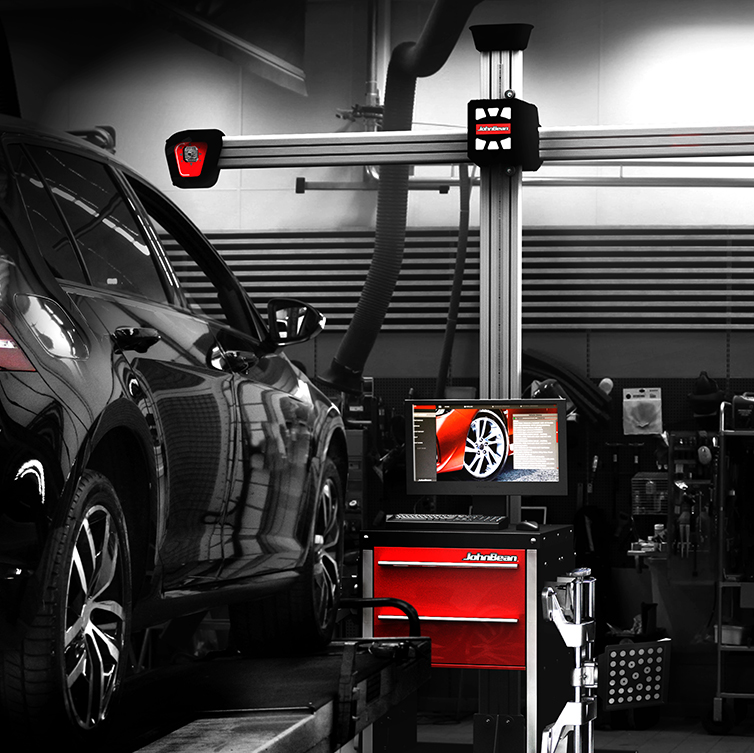
The Importance of Wheel Alignment for Vehicle Technicians
What is Wheel Alignment? At its core, wheel alignment refers to the correct adjustment of the angles of the wheels relative to each other and the car's body. The primary angles involved are the camber, toe, and caster.
- Camber: This angle measures the tilt of the wheels against the vehicle's vertical axis. When viewed from the front, if the top of the wheel leans outward, it's positive camber, and if it leans inward, it's negative camber.
- Toe: Toe alignment determines whether the wheels point towards each other (toe-in) or away from each other (toe-out) when viewed from the top. Incorrect toe alignment can lead to uneven tyre wear.
- Caster: Caster measures the angle of the steering pivot when viewed from the side. Proper caster alignment contributes to steering stability and returnability.
Signs of Misalignment:
Identifying signs of misalignment is crucial for the maintenance and safety of the vehicles. Common indicators include uneven tyre wear, steering wheel off-centre, vehicle pulling to one side, and a shaky steering wheel.
The Importance of Wheel Alignment to Vehicle Owners:
- Tyre Longevity: Proper wheel alignment ensures even tyre wear, extending the lifespan of the tyres and preventing premature replacement costs.
- Fuel Efficiency: Misalignment can increase rolling resistance, leading to decreased fuel efficiency. Correct alignment reduces this resistance, improving fuel economy.
- Handling and Safety: A well-aligned vehicle provides better handling, steering response, and overall stability, enhancing both driver and passenger safety.

Alignment Equipment and Procedures:
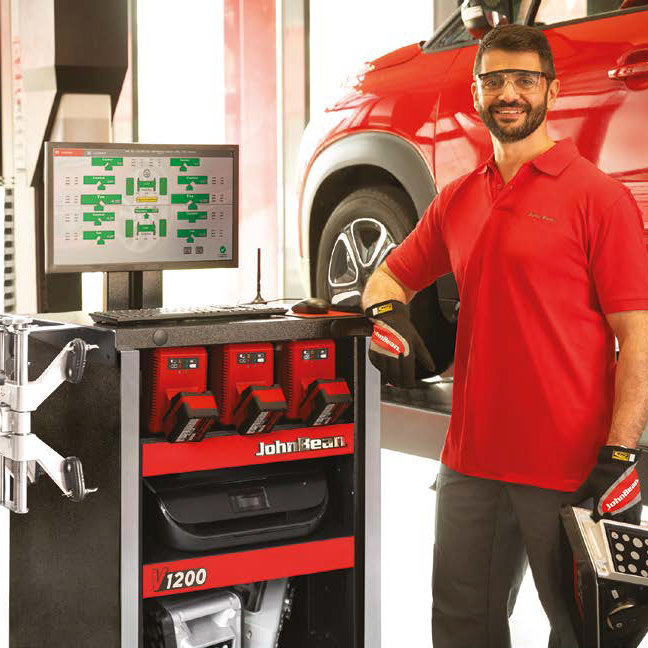
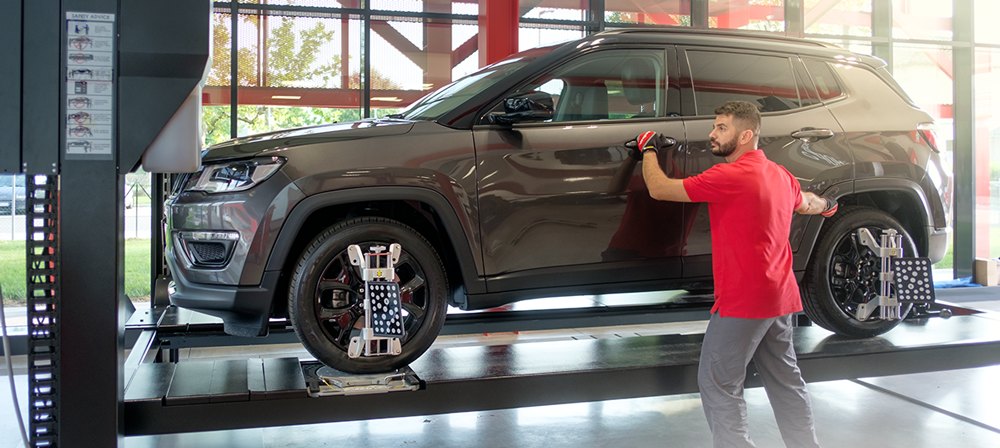
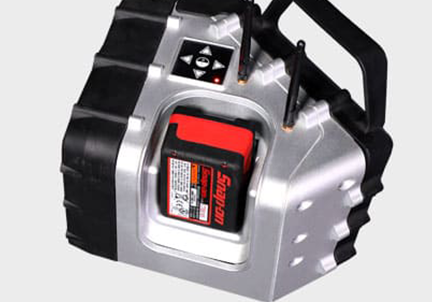
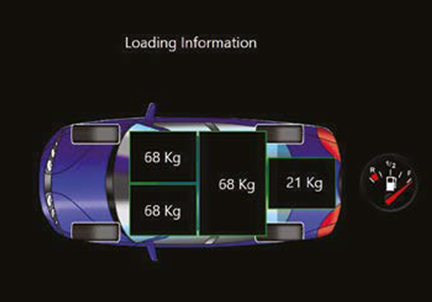
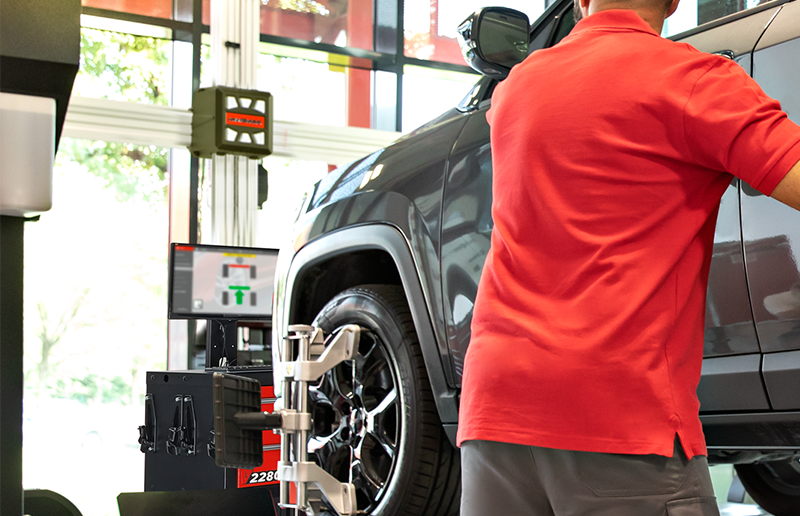
- Alignment Machines: Modern vehicle technicians rely on advanced alignment machines equipped with laser sensors and computerised technology for precise measurements.
- Adjustment Procedures: After measurements and adjustments are made by altering the suspension components. Technicians should adjust the camber, toe, and caster to bring them within the manufacturer's specifications.
Regular Maintenance:
- Periodic Checks: Regularly checking and adjusting wheel alignment during routine maintenance appointments can prevent potential issues and ensure optimal vehicle performance.
- Post-Repair Alignment: After certain repairs or component replacements, it's essential to recheck and adjust the wheel alignment to maintain the vehicle's stability and safety.
How often should vehicles be aligned?
- The frequency of wheel alignment can vary from one vehicle to another and depends on driving conditions and habits. However, as a minimum guideline, we suggest getting an alignment check with every vehicle service and/or MOT.
- If your customer is driving a substantial number of miles, more frequent checks are recommended.
Conclusion:
Understanding the basics of wheel alignment is essential for any vehicle technician. It not only promotes optimal vehicle performance but also contributes to the safety and satisfaction of the vehicle owner.
By mastering the fundamentals of wheel alignment, technicians play a crucial role in keeping vehicles running smoothly and safely on the road.
To continue reading, check out the articles linked below
Continue Reading: Here are some articles we thought you might like!
An Essential Guide to Wheel Alignment Part 2
Precision is key: This article delves into the causes and consequences of alignment issues, highlighting the importance of offering interim alignment checks in your garage.
An Essential Guide to Wheel Alignment Part 3
Alignment Matters: This article delves into the strategic advantages and lucrative potential of providing comprehensive wheel alignment services to your customers. By going beyond the basics, independent garages can not only enhance customer satisfaction but also potentially your profits.
Need to upgrade or add wheel alignment equipment to your garage?
Make an Enquiry
Drop us a message at the link below to arrange a call with a Snap-on® Technical Representative.
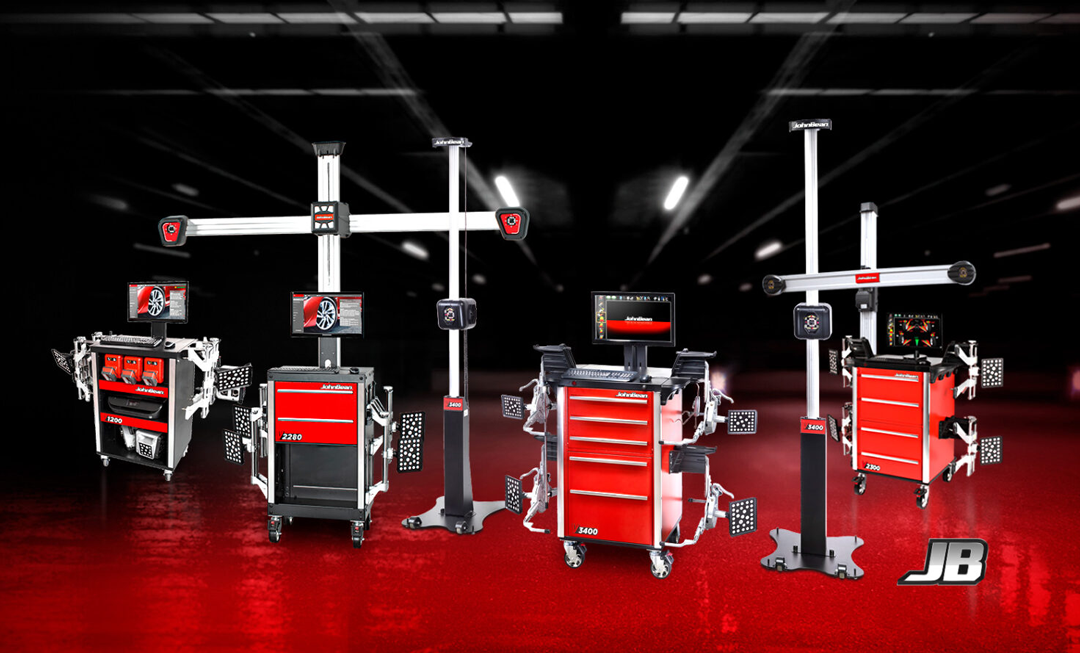

Discover the Snap-on® Difference
We recognise that investing in new garage equipment is a significant decision, and we're committed to supporting you throughout the process.
With Expert Guidance, Tailored Solutions, Seamless Transition, Customer Satisfaction, and Investment Protection, you'll have access to unmatched expertise in the automotive industry. Our team provides personalised solutions and comprehensive support to ensure your satisfaction, and we offer service contracts for added peace of mind.
Discover the difference Snap-on can make and take your garage to greater success.

Sign up for our emails here:
Join our mailing list to get occasional VIP offers, quick tips, advice and technical information, to help you get the most out of your garage equipment and help your business become even more successful!

©2024 Snap-on Incorporated. All rights reserved.