
BODYSHOP DIAGNOSTICS
EXPERIENCE THE POWER OF THE LATEST SOFTWARE.
EXPERIENCE THE POWER OF THE LATEST SOFTWARE.
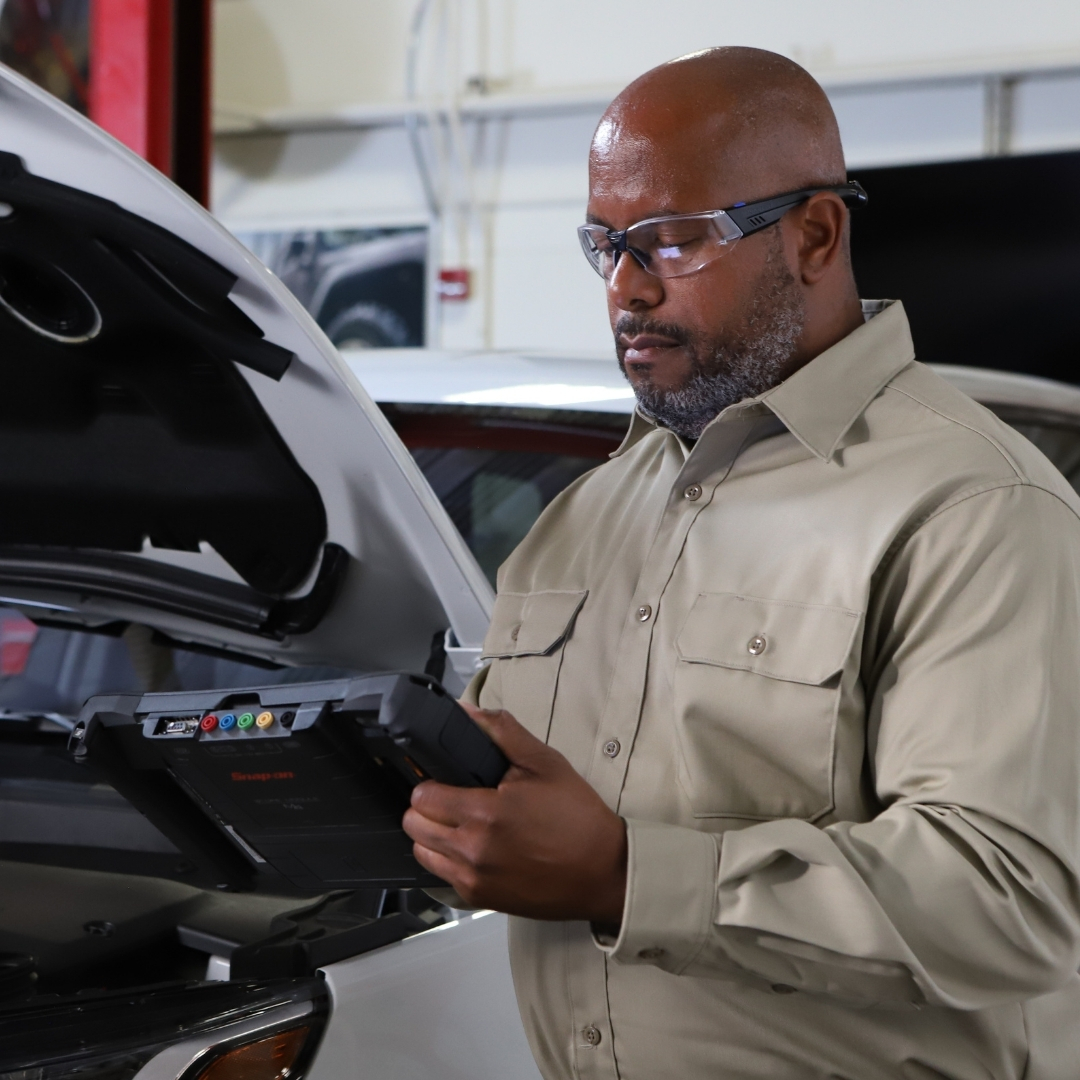
Modern collision repair is as much about electronics as it is about panels and paint. Today’s bodyshops are increasingly responsible for restoring vehicle systems that rely on sensors, control modules and networked body electronics.
As vehicle technology continues to evolve, accurate diagnostics play a critical role in verifying repairs, completing post-replacement procedures and ensuring safety systems operate as intended. From module configuration to system verification, the right diagnostic software supports consistent, compliant repairs.
Snap-on® Diagnostic Software helps bodyshops manage these requirements in-house, supporting modern repair workflows across multiple manufacturers — with confidence from vehicle check-in through to final handover, helping ensure vehicles are repaired right first time and comebacks are eliminated.
WHY DO BODYSHOPS
NEED DIAGNOSTICS?
NEED DIAGNOSTICS?
Vehicle Complexity Is the New Normal
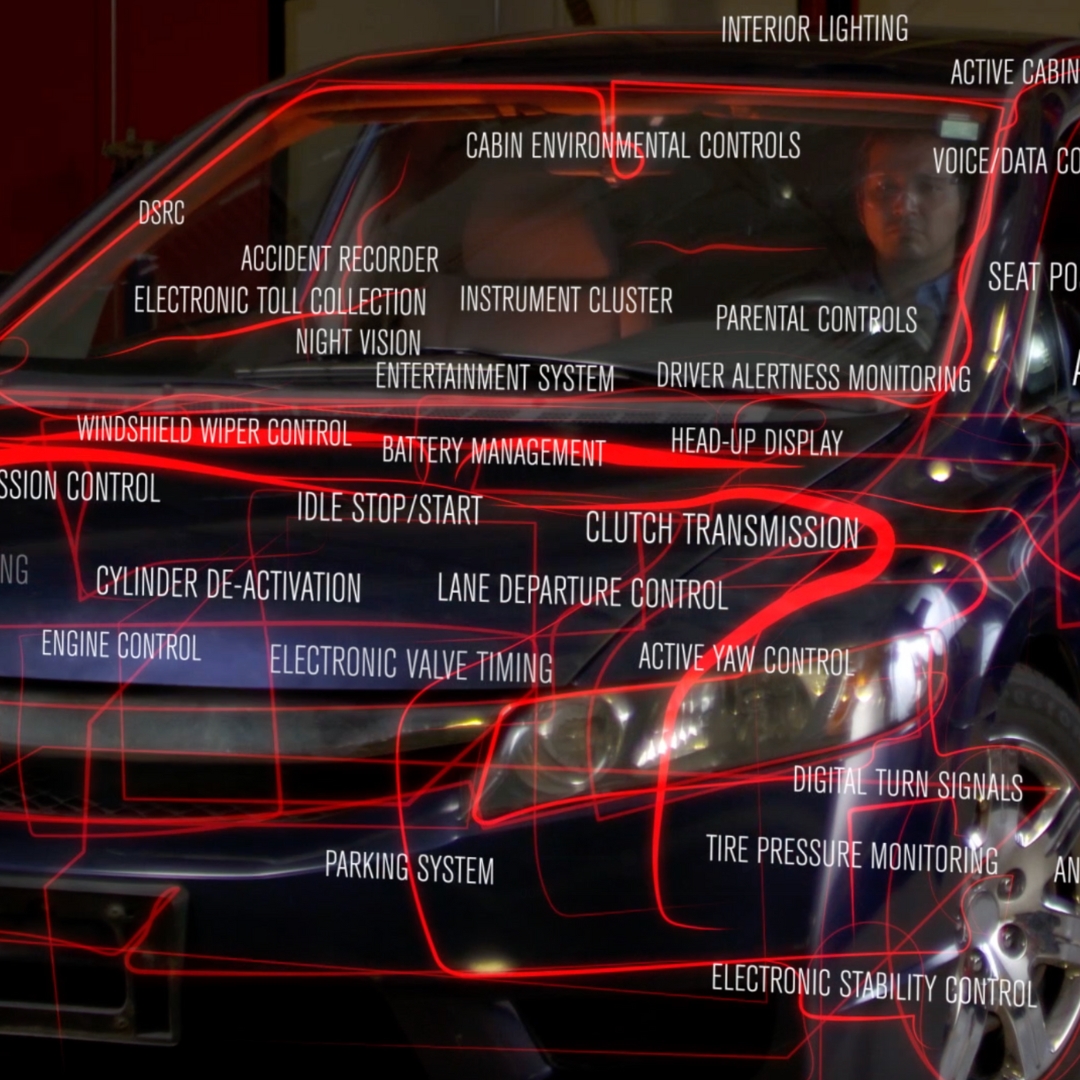
Modern vehicles are more complex than ever. Most cars from the last 5–10 years contain an increasing number of electronic systems and control modules — often more than 100 modules on a single vehicle.
Vehicle technology is evolving rapidly, with changes introduced every few weeks rather than every few years. At the same time, ADAS features are now standard on many vehicles, meaning even minor collision repairs can affect safety systems.
Repair and diagnostic procedures also vary significantly by manufacturer. The correct process on a Mazda will not be the same as on a Chevrolet or a Dodge. Diagnostics ensures the right procedure is followed, every time.
Mandatory Pre- and Post-Scans
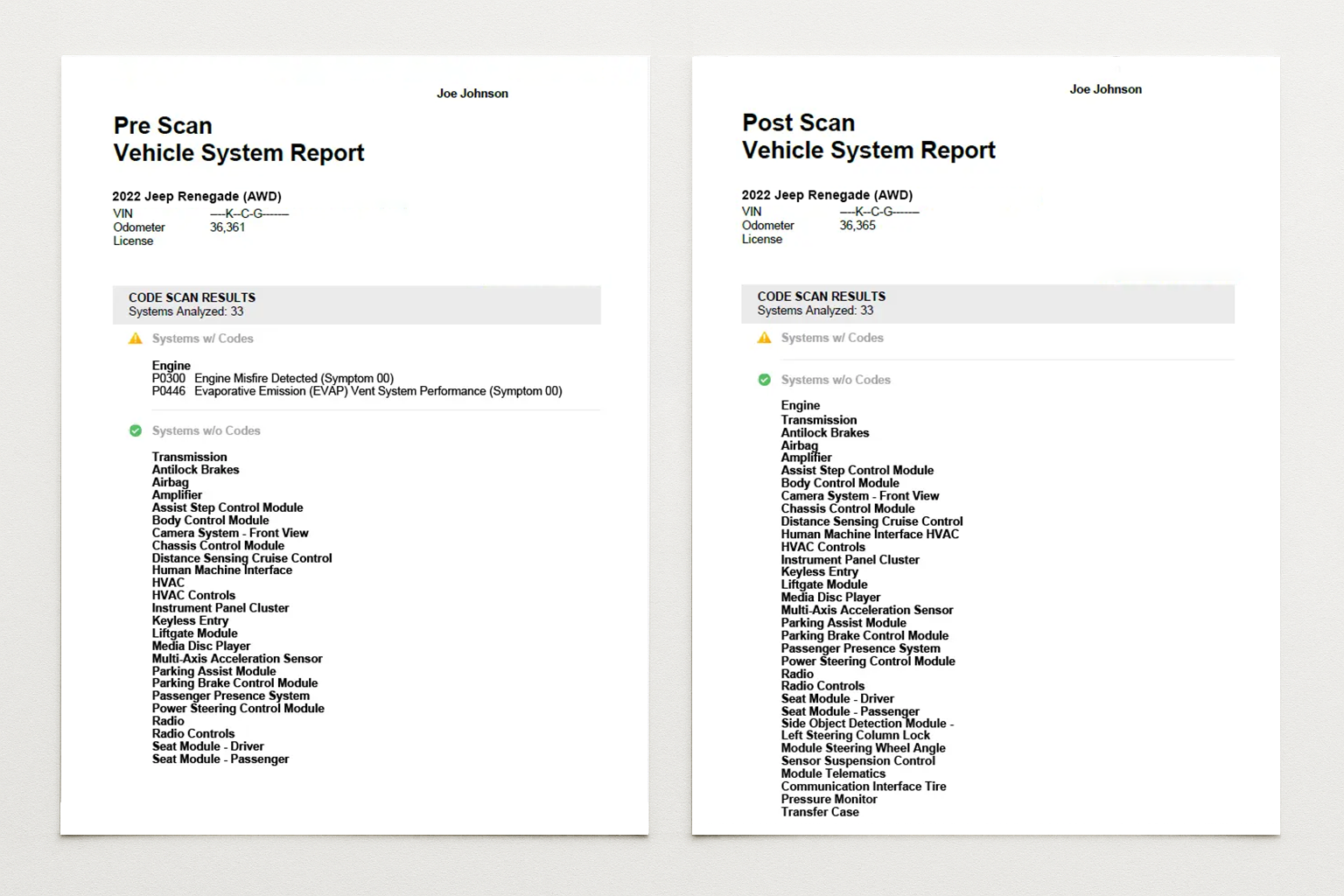
Since 2016, many vehicle manufacturers have mandated pre- and post-scans on vehicles involved in a collision.
- A pre-scan documents the vehicle’s condition on arrival
- A post-scan verifies that repairs have been completed correctly
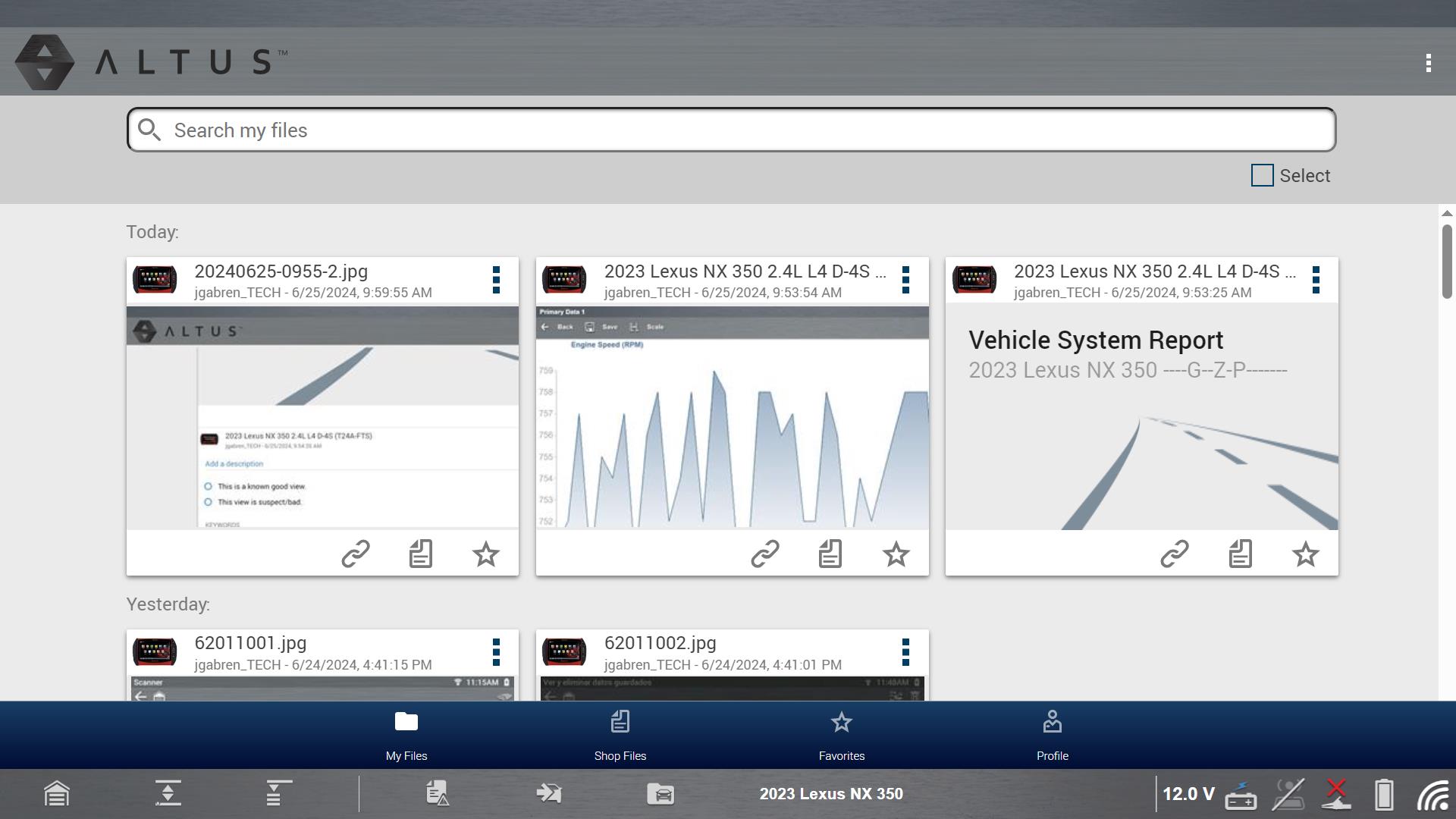
All Snap-on® diagnostic platforms can generate a comprehensive vehicle systems report, helping bodyshops meet manufacturer and insurer requirements.
Reports include:
- Date and time of the scan
- Vehicle VIN and identification
- Customization of workshop information
- Color-coded system health overview
- Detailed system categories, DTCs and readiness monitor status

Documentation and Cloud Sharing
Accurate documentation is essential, particularly where repairs affect safety or ADAS systems.
Repairs involving sensors, cameras or modules often require recalibration, with evidence provided in the form of a calibration report.
All pre- and post-scan reports are automatically uploaded to your secure Snap-on Cloud via AltusDrive, allowing you to share results with customers or insurance companies using a simple link.
Reports can be accessed on any device with a web browser.
Relearns and Calibrations After Repair
After many body repairs, electronic procedures are required to restore full system functionality. These can include:
- Re-zeroing occupant detection sensors
- Recalibrating window motors
- Re-aiming front-facing cameras
- Recalibrating blind spot monitoring systems
Snap-on® Diagnostic Software supports these relearn and calibration procedures, helping ensure vehicles are returned fully functional, compliant and ready for the road.
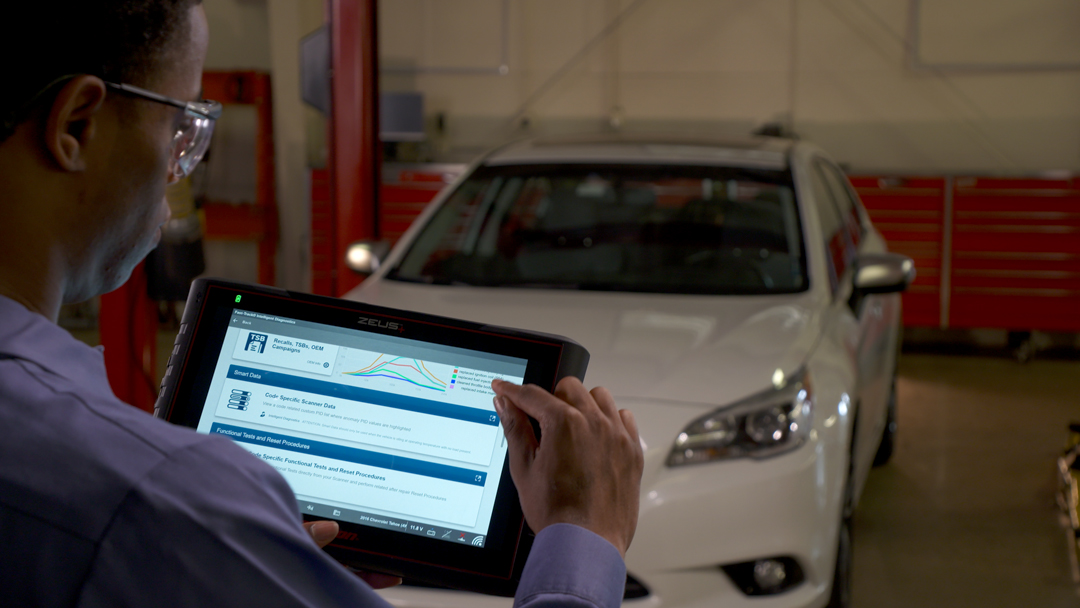
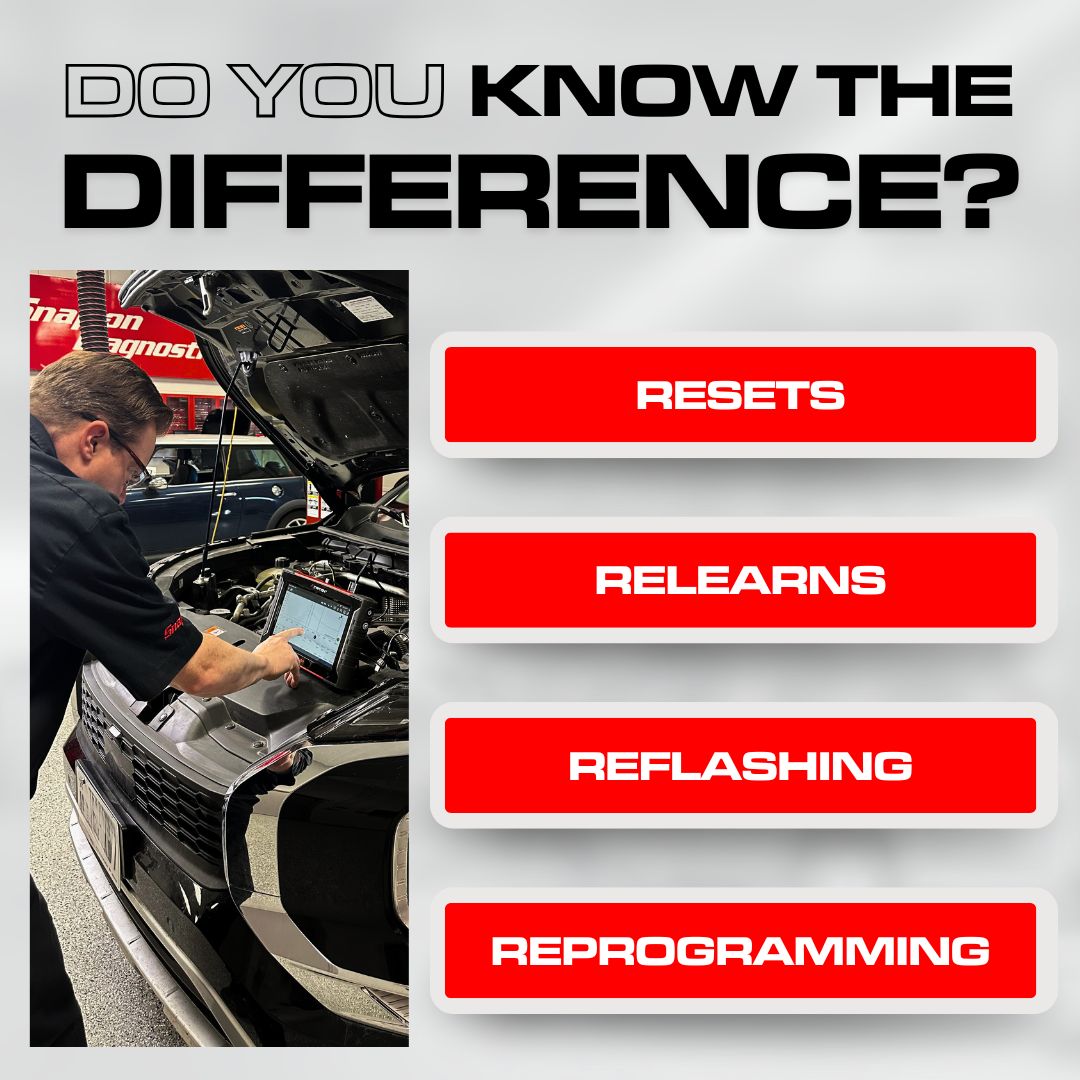
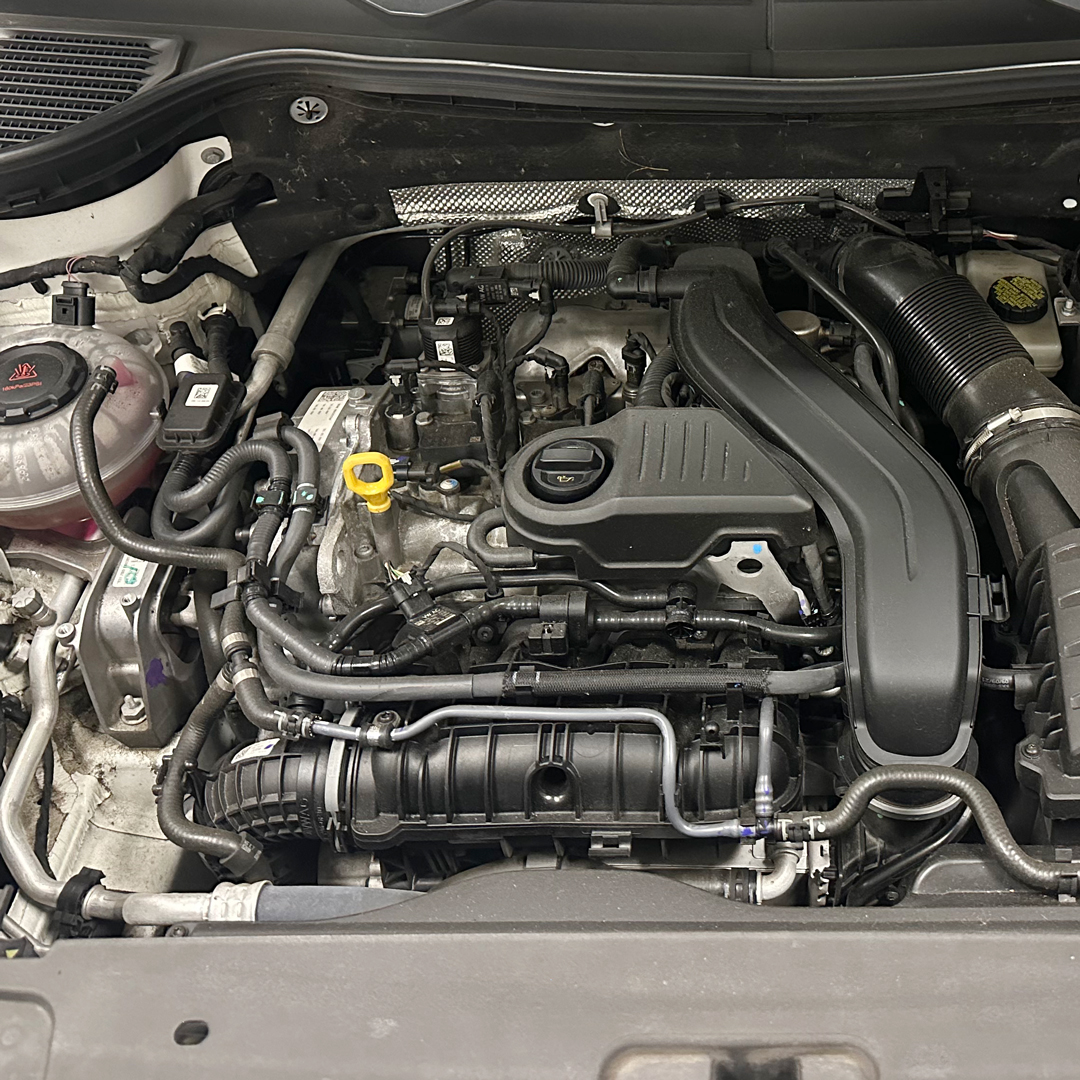
In vehicle diagnostics, recalibration is often misunderstood and used interchangeably with resetting, relearning, reflashing, and reprogramming. In reality, recalibration is a broad, outcome‑based term that describes restoring a system to correct operation after a repair or change.
Depending on the vehicle and system, recalibration may be achieved through resetting learned values, performing a relearning procedure, reflashing updated software, or reprogramming configurable settings. Understanding the difference between these processes ensures the correct post‑repair action is taken and helps prevent unnecessary work or avoidable comebacks.
RESETS
Resets return learned or adaptive values back to factory specifications after a component has been replaced or serviced. They clear compensations that were applied for worn or failing parts.
A common example is automatic transmission shift adaptives. Over time, the transmission learns driving style and adjusts shift points. Performing a reset allows the system to begin learning again under normal operating conditions.
RELEARNS
Relearns teach the ECM the correct parameters to work with a newly installed or adjusted component. Rather than simply clearing values, the module actively adapts to the characteristics of the new part.
Typical relearns include throttle body relearn, valve body relearn and tyre pressure monitoring system (TPMS) relearn.
These procedures are typically completed using your Snap-on® diagnostic tool saving you a ton of time.
REFLASHING
Reflashing is used to write new software to the ECM, replacing the existing software or calibration with an updated OEM-approved version.
This is typically carried out to correct known issues, apply software improvements or install a blank replacement module.
Because reflashing alters the core operating software, it must be performed exactly as specified by the manufacturer using the correct equipment and procedures. Uses OEM files. Requires J2534 pass‑thru, Windows PC, internet, stable power
REPROGRAMMING
Reprogramming is used to change ECM parameters within a module without replacing the underlying software.
This may include enabling or disabling vehicle features or adjusting behaviour settings such as automatic locking timing, lighting preferences or audible alarm confirmation.
Programming ensures the vehicle functions according to its specification and customer requirements.

BODY ELECTRICAL
FEATURE SPOTLIGHT
FEATURE SPOTLIGHT
KIA® NIRO
FRONT SEAT RELEARN
FRONT SEAT RELEARN
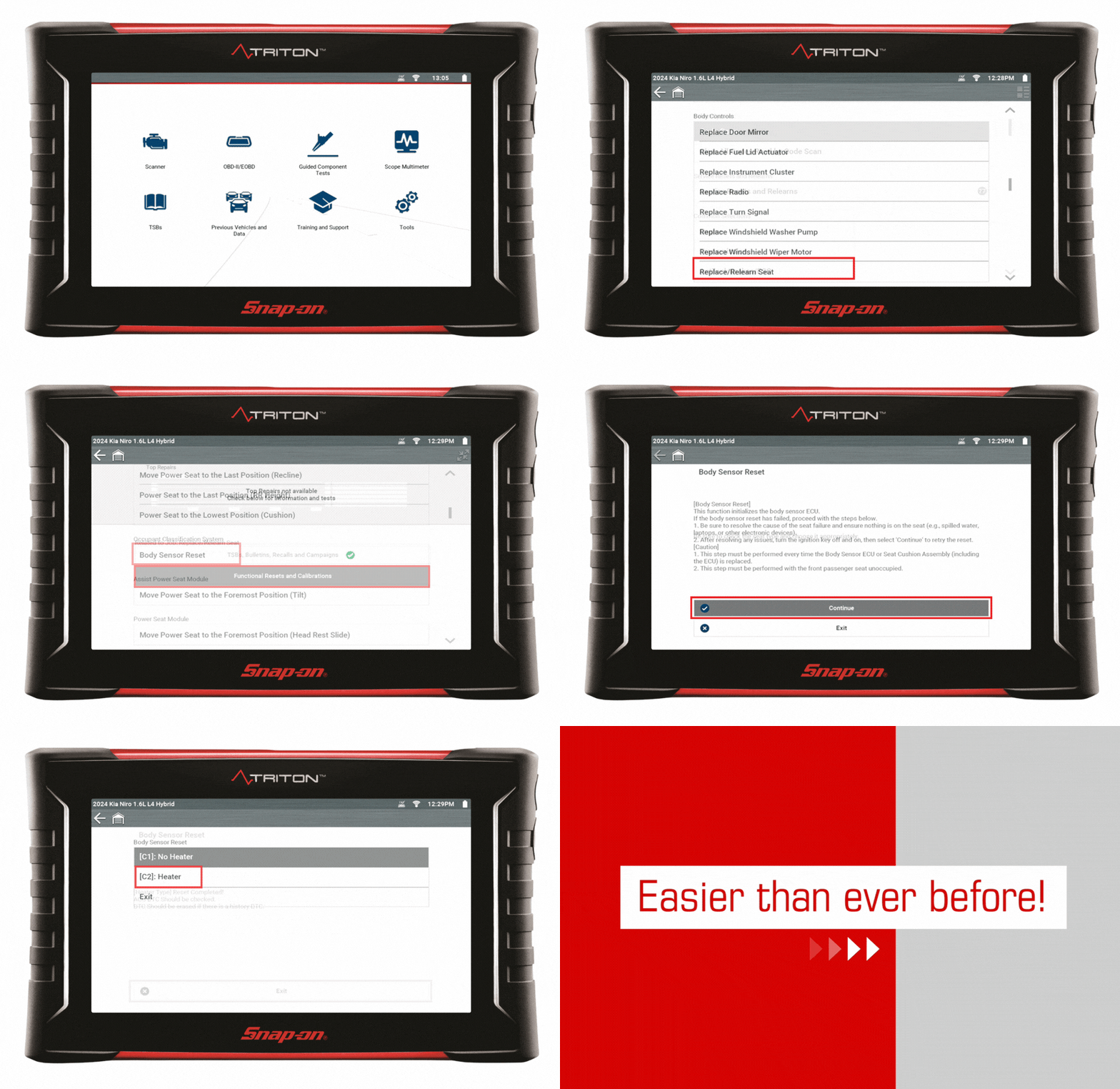
Snap‑on® diagnostic software includes a special function used to relearn the front seat on a 2024 Kia Niro.
This step must be performed every time the Body Sensor ECU or Seat Cushion Assembly (including the ECU) is replaced. The procedure must be performed with the seat unoccupied. Be sure to resolve the cause of the seat failure before proceeding.
Operational Steps:
- Select: service resets and relearns
- Scroll down and select: Replace/Relearn Seat
- Select: Runctional resets and calibrations
- Scroll down and select: Body Sensor Reset
- Follow the onscreen instructions
- Select: whether the seat has a heater or not
- The procedure is now complete
The seat relearn procedure is now complete—making this process faster and simpler than ever before.
SECURE GATEWAY ACCESS

SEAMLESS INTEGRATION
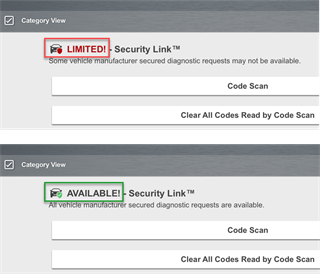
Our tools connect with these manufacturers' secure vehicle gateways - at no additional cost!
1Chrysler,® 1Dodge,® 1Jeep,® 1RAM,® Volkswagen,® Audi,® 1Mercedes-Benz,® 1Nissan,® Volvo,® Ford,® Hyundai,® Kia.®
1 AutoAuth account and subscription required by the Manufacturer
Ensure your tool is connected to Wi-Fi® and your Security Link™ services are connected, enabling seamless access to the secure vehicle network.
Need help setting up Security Link?
TAKE A DEEPER DIVE
INTO BODY ELECTRICAL DIAGNOSIS AND TESTING.
INTO BODY ELECTRICAL DIAGNOSIS AND TESTING.
Body electrical systems have evolved from simple switched circuits into complex, networked control systems. Our latest Technical Focus article explores how this shift changes the way bodyshops and technicians diagnose faults, verify repairs and restore functionality after component replacement.
Using real-world examples, including modern door modules and post-repair coding scenarios, the article shows how a scan-tool-led approach helps confirm inputs and outputs, reduce diagnostic time and avoid unnecessary dismantling.
Read the full Technical Focus to see how modern body control diagnostics, functional tests and post-replacement recoding come together in practical, workshop-ready workflows.
TRAINING
CONTENT
CONTENT
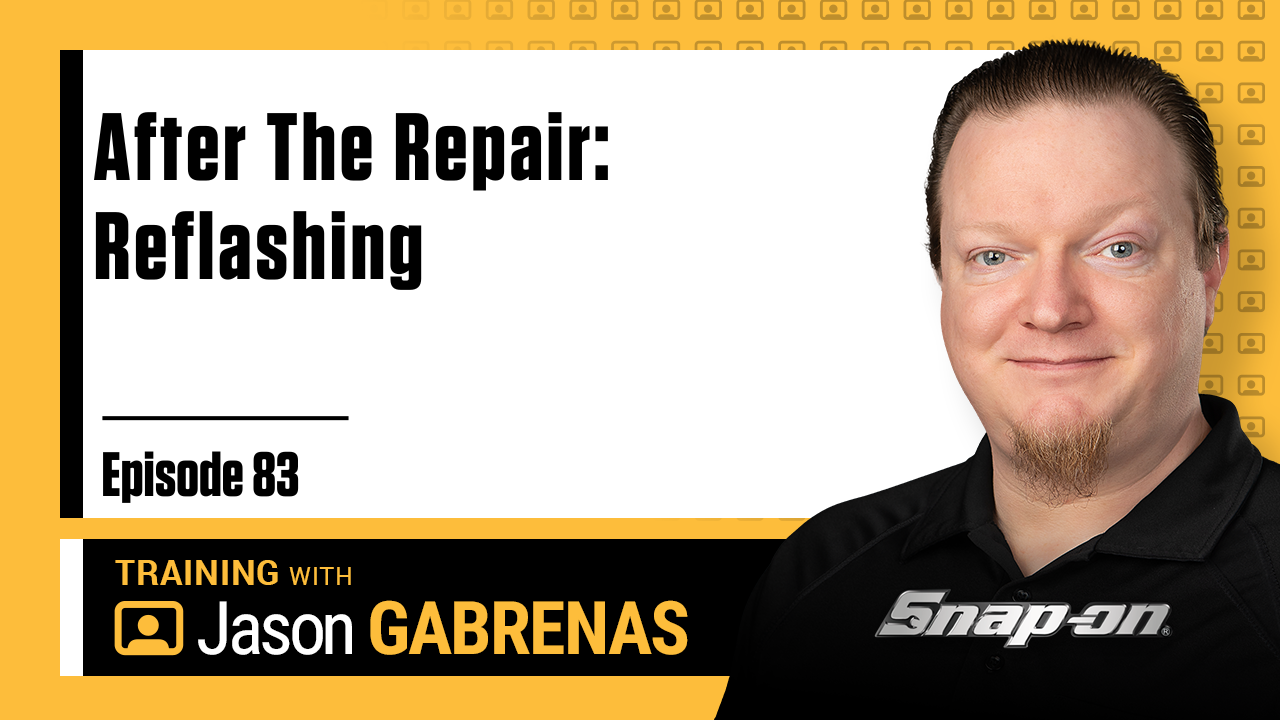
For a detailed, technician‑focused deep dive into resets, relearns, programming, and reflashing, watch Jason Gabrinas' Snap‑on live training session After The Repair: Reflashing.
This session breaks down terminology, explains when each procedure is required, and highlights best practices to avoid post‑repair issues and module damage.
DISCOVER THE
POWER INSIDE
YOUR DIAGNOSTIC PLATFORM.
POWER INSIDE
YOUR DIAGNOSTIC PLATFORM.
To cut through the complexity, Patented Fast-Track® Troubleshooting workflow and filtered information bring focus to the specific vehicle and code you’re working on, including:
- SureTrack® Top Repairs Graph
- Real Fixes
- Technical Bulletins
- Smart Data
- Functional Tests and Resets
- Complete Code Scan
- Guided Component Tests
- Service Resets and Relearns
ONLINE VEHICLE
COVERAGE GUIDE.
COVERAGE GUIDE.
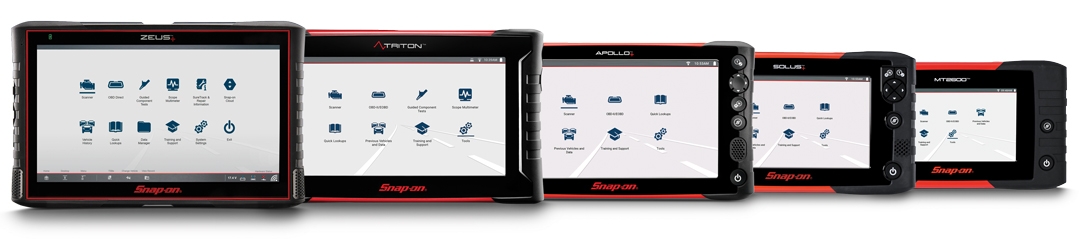
Coverage for 50 manufacturers and expanding with every upgrade
The latest software release gives your diagnostic tool new model year updates, guided tests, and thousands of SureTrack® Real Fixes and PID Flags.
Continuously updated cloud resources provide proven repairs, verified parts, and the industry’s broadest coverage.
With manufacturer-level capabilities, consistent navigation, and fast access to key specifications, Snap-on® keeps you ready to tackle even the toughest jobs.

Need to Upgrade?
Purchase A Software Plan
Keep your tool performing at its best. Software options help you diagnose problems faster and tackle even the toughest repairs with confidence. Click below for more information or contact your Snap-on® Franchisee for the latest software deals.
Already a Subscriber?
Download the Latest Software
If you are a software subscriber, purchased a prepaid plan or participated in a free software offer, you can perform your own software installation by downloading the latest software release through the ShopStream® Self-Service application, quickly and easily.

©2026 Snap-on Incorporated. All rights reserved.