
Preparing for the Electric and Hybrid Vehicle Revolution
The automotive industry is undergoing a significant transformation with the rise of electric and hybrid vehicles. As more consumers opt for environmentally friendly vehicles, independent garages must adapt to the changing landscape to stay relevant and thrive.
In this article: We look at some strategies and considerations that independent garages should keep in mind as you prepare your workshop for the rise in electric and hybrid vehicles over the next few years and ensure that you’re not turning away business.
The Road to 2035
The sale of petrol and diesel cars and vans will be discontinued in the UK after 2035, and there is a growing push to transition drivers to cleaner vehicles. This has generated significant momentum towards adopting cleaner transportation options. A recent RAC article with statistics sourced from the SMMT, suggests that there are around 712,000 zero-emission electric vehicles currently on UK roads, plus an additional 400,000 plug-in hybrid vehicles.
So, how many electric and hybrid vehicles are on the road?
- New vehicle registrations in 2022 by fuel type:
- Petrol: 682,474
- Diesel: 82,961
- MHEV Petrol: 219,701
- MHEV Diesel: 72,343
- HEV: 18,948
- PHEV: 101,413
- BEV: 267,203
- Total combined EV & Hybrid registrations in 2022: 679,608
- Total combined petrol and diesel registrations in 2022: 691,435
- Total registrations in 2022: 1,445,043
Data Source: rac.co.uk
Electric cars alone account for 1 in 5 new car registrations today. With government plans to have all new cars at zero emissions at the tailpipe (or significant reduction) by 2035, this will hugely impact automotive repairs in the lead-up.
Keeping pace with the industry: Independent garages should actively promote their expertise in electric and hybrid vehicle maintenance and repair. Electric and Hybrid vehicle ownership is no longer a niche in the market, with new vehicle registrations of EV and Hybrid vehicles only just falling short of internal combustion-powered vehicles. These vehicles will account for a large percentage of your workload over the coming years as more of your customers invest in EV and Hybrid vehicles. Can you afford to be turning these customers away because you don't have the equipment, or your technicians are untrained?
Education and Training: To effectively service and repair electric and hybrid vehicles, independent garages need to invest in education and training for their technicians. Traditional internal combustion engines differ significantly from electric and hybrid powertrains, requiring specialised knowledge and skills. Garages should consider partnering with training providers to provide their technicians with comprehensive training programs. By equipping their workforce with the necessary expertise, garages can confidently meet the growing demand for electric and hybrid vehicle maintenance.
A Shortfall of Skilled Technicians by 2030: A recent article from Aftermarket Magazine reports that based on IMI statistics, to the end of 2022, there were approximately 39,000 EV-qualified technicians in the UK. This is an increase of 14,800 over the previous year, however, the IMI estimates that by 2030, there will be a demand for 103,000 technicians who are qualified with IMI TechSafe to work on electric vehicles. This number is predicted to rise to 124,000 by 2032. However, this estimation suggests a potential deficit of 4,500 technicians by 2029, which is expected to increase to 16,000 by 2032.
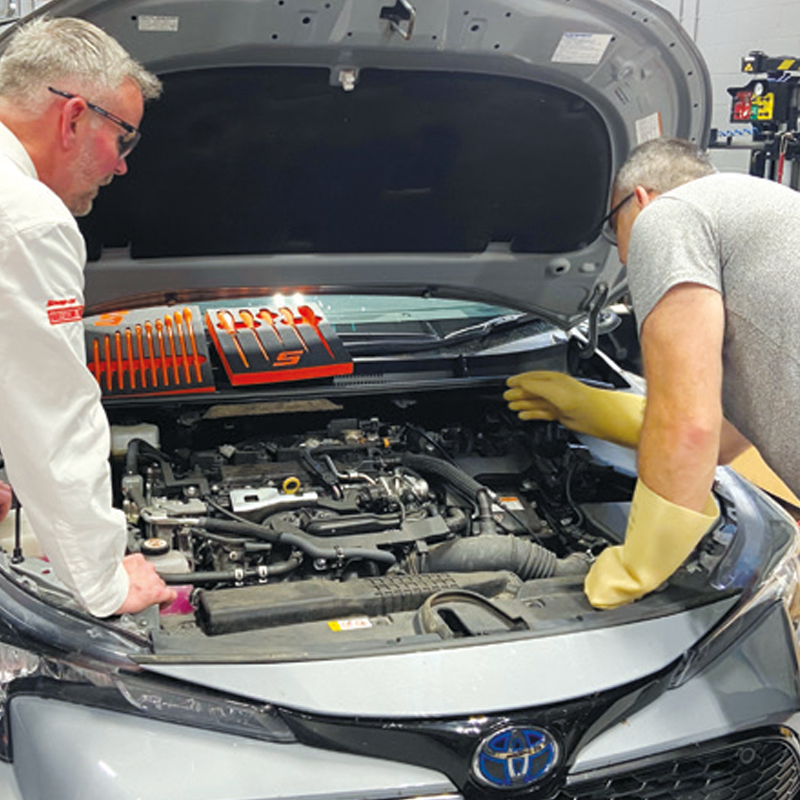
Levelling up skills: To support the industry and assist in enabling technicians to gain the necessary accreditation, Snap-on has collaborated with the IMI to offer a Level 3 Award in Electric and Hybrid Vehicle System Repair and Replacement, the 3-day course is based at Snap-on Diagnostic Headquarters in King’s Lynn, Norfolk.
On successful completion of this course, technicians will be qualified to work on electric and hybrid vehicles to a recognised industry standard. For a limited time, you can make a £100 saving on the Snap-on EV and Hybrid Training course by using coupon code: GET100
Diagnostic Tools and Equipment:
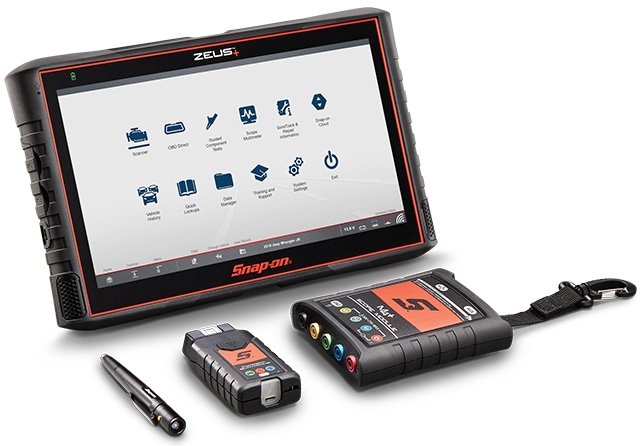
Electric and hybrid vehicles rely on advanced technology and complex systems. Independent garages must invest in the latest diagnostic tools and equipment designed specifically for these vehicles. Diagnostic hardware like the Snap-on® ZEUS, TRITON and APOLLO combined with Intelligent Diagnostics software systems are crucial for accurate troubleshooting and repair work on electric and hybrid vehicles.
Garages should allocate resources to procure these specialised tools, ensuring they are prepared with the tools and knowledge to effectively diagnose and resolve issues for their customers' electric and hybrid vehicles, keeping the business in-house and preventing their customers from seeking alternative workshops that are fully equipped to maintain and repair electric and hybrid vehicles.
Additionally, having appropriate garage equipment for EV and hybrid vehicles is crucial. By investing in suitable garage equipment, independent garages can cater to this growing customer demand and retain their existing customer base, as customers make the steady transition to zero-emissions vehicles over the next decade.
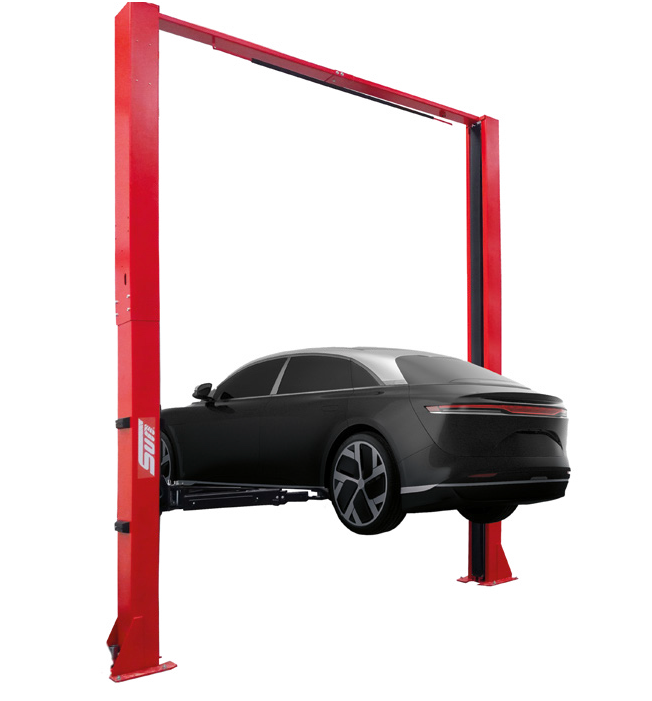
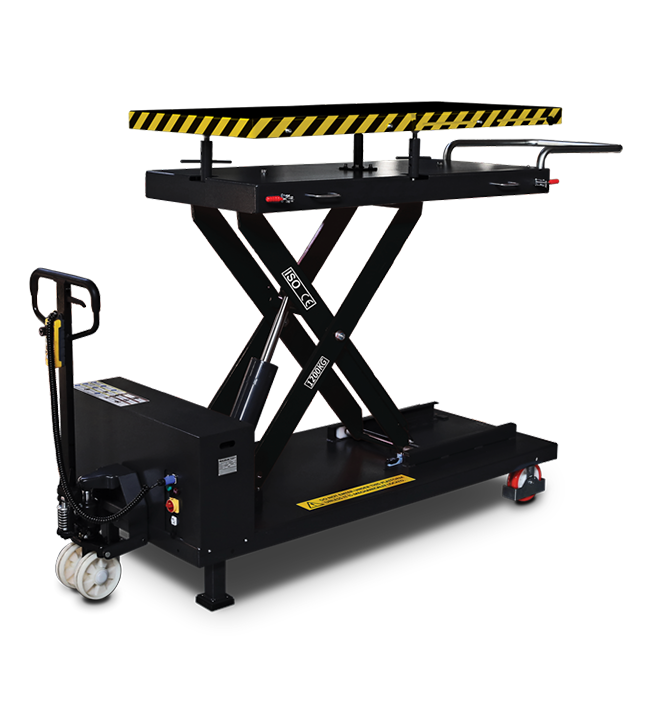
Ideally for all-round efficiency, you’ll likely want to consider a 2-post lift capable of lifting heavier EV vehicles, 2-post lifts without a base frame enable technicians to keep the floor below the vehicle clear to access wider under-car systems including high voltage battery systems. Investing in a dedicated battery lift is also a wise choice, this equipment will assist you in the precise process of removing and mounting battery units in electric and hybrid vehicles, and it can also assist in lifting and positioning many other heavy under-car components. Equipping technicians with the appropriate personal protective equipment (PPE) and workspace safety equipment is crucial. Your EV and Hybrid course provider will recommend the necessary equipment as part of the EV and Hybrid qualification, alternatively speak to your Snap-on sales representative for more information.
The transition to electric and hybrid vehicles is not a passing trend; it is a long-term shift in the automotive industry. By investing in garage equipment suitable for these vehicles, independent garages future-proof their businesses and ensure their viability in the years to come. Failing to adapt to this transformation may result in a loss of customers and revenue as the demand for traditional internal combustion engine servicing declines.
The Growing Importance of ADAS Calibration in Electric and Hybrid Vehicles
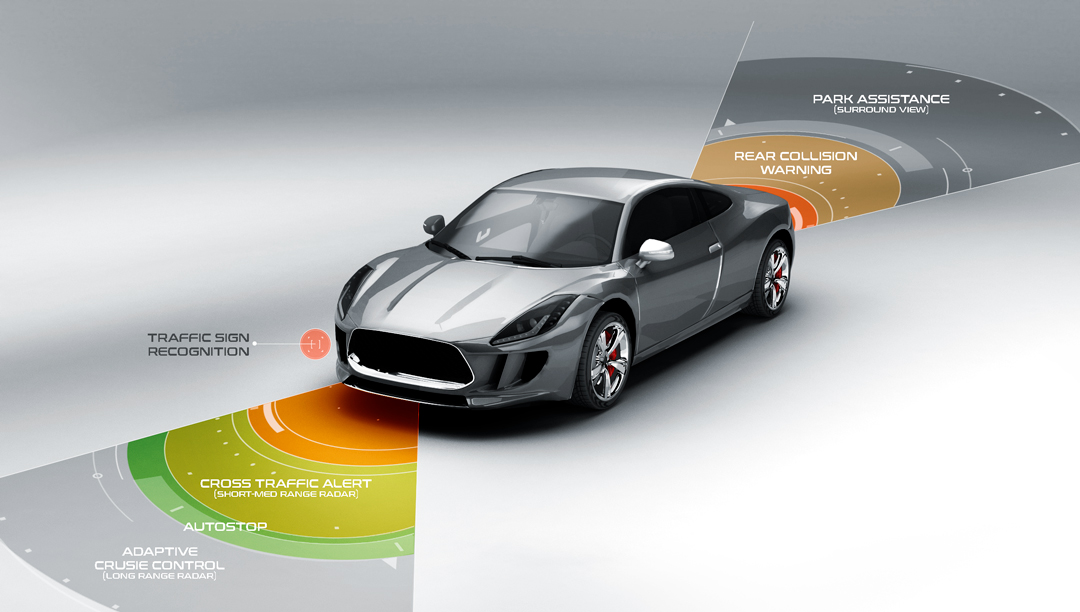
With the rapid evolution of the automotive industry, the incorporation of Advanced Driver Assistance Systems (ADAS) has become more widespread in modern vehicles and these systems are packed into newer electric and hybrid vehicles as more and more systems become autonomous. Starting from July 2022, all newly manufactured cars, vans, trucks, and buses sold in the EU are required to be equipped with a minimum of 11 advanced driver assistance systems. Electric and Hybrid vehicles in general have more computer-controlled systems and all new vehicles have more ADAS systems (which will continue to increase each year) so preparing for ADAS should be in line with preparing for electric and hybrid vehicles.
Calibration after repairs is crucial to ensure that ADAS sensors operate within the specified tolerances set by OEM’s. Various situations require recalibration, including collision repair, bumper repair, wheel alignment, system failure, windscreen replacement, suspension repair, sensor replacement, and changes in tyre size. Independent garages should be equipped, prepared and trained to perform these calibrations, responding to the growing prevalence of ADAS in modern vehicles in 2023.
The demand for calibration services is on the rise, and independent garages can meet this demand by offering timely and easily accessible services. By conducting ADAS calibration in-house, they can eliminate the need to depend on local third-party ADAS specialists, potentially saving time by calibrating ADAS systems precisely when needed. This reduces the overall duration that customers are without their vehicles, allowing for quicker job completion and enabling the garage to move on to the next job efficiently.
In addition, having the necessary resources in-house presents the opportunity to combine ADAS calibrations with other interim jobs, like wheel alignment, resulting in a more streamlined and efficient service and opening additional sources of revenue. Equipping your workshop for ADAS, not only future-proofs your workshop for electric and hybrid vehicles but is also applicable for jobs coming through your doors today on petrol and diesel-powered vehicles, this will enable you to complete more jobs in-house, boost revenue and become more profitable.
Conclusion
This guide focuses on how independent garages can prepare for the electric and hybrid vehicle revolution over the next decade. With the increase in production and sales of low and zero- emission vehicles garages must adapt to stay relevant. The key takeaways include investing in education and training for technicians, addressing the projected shortfall of skilled technicians, acquiring specialised diagnostic tools and equipment, investing in ADAS calibration systems, actively promoting expertise, and ensuring long-term viability by preparing for the ongoing transition ahead of time.
Speak to your Snap-on Sales Representative for more information about preparing your workshop for electric and hybrid vehicles.
See More Equipment Focus Content

©2023 Snap-on Incorporated. All rights reserved.