
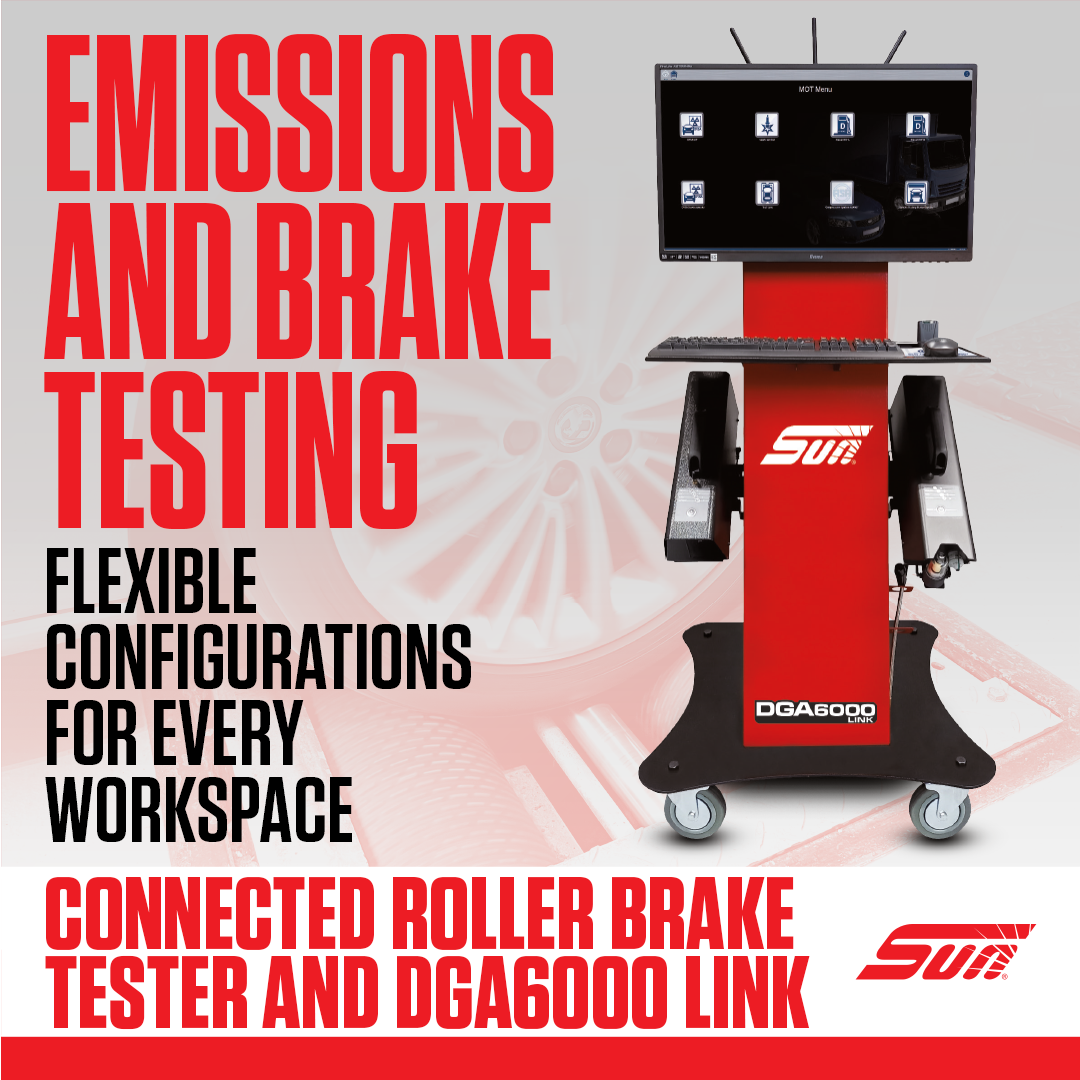

The future of MOT equipment is here and it's connected!
With an increasing emphasis on environmental sustainability and cleaner more efficient vehicles, as a result, emissions testing and diagnostics have become critical aspects of vehicle maintenance and repair. To meet these changing demands, independent garages need to stay ahead of the curve.
One way to do this is by investing in connected emissions equipment, which can offer numerous benefits and help secure the future of your business.
Is your MOT Testing Equipment Connected?
Don't miss out on the benefits that Connected MOT Equipment can bring to your business. To help you make the most of this opportunity, we’ve put together our top 5 reasons why upgrading to connected equipment is a smart move
1. Enhanced Efficiency: Upgrading to connected MOT equipment streamlines the testing process by automating data collection and transmission. This eliminates the need for manual data entry, reducing the chances of errors and saving valuable time for technicians. The seamless integration with the DVSA database ensures smoother operations and improved efficiency.
2. Improved Accuracy: Connected MOT equipment directly retrieves vehicle information from the DVSA database, minimising the potential for human error in data entry. Accurate test results are crucial for maintaining the integrity of MOT tests and ensuring customer satisfaction. By upgrading, independent garages can enhance the accuracy of their testing procedures.
3. Time and Cost Savings: Connected MOT equipment saves time by eliminating manual tasks and automating data transfer. This allows technicians to focus on other revenue-generating activities simultaneously, maximising productivity. Additionally, reducing manual paperwork and printing costs leads to tangible savings for the garage.
4. Compliance with DVSA Regulations: The DVSA requires certain VTS (Vehicle Testing Stations) to upgrade to connected status. Independent garages that comply with this requirement stay in line with regulatory standards and maintain authorisation for MOT testing. Being connected also simplifies the communication process with the DVSA and ensures seamless data exchange.
5. Long-term Business Sustainability: In a rapidly evolving automotive industry, embracing technological advancements is crucial for long-term sustainability. Upgrading to connected MOT equipment positions independent garages as forward-thinking establishments that adapt to changing customer needs and industry requirements. Connected MOT equipment seamlessly integrates as the MOT test evolves over time your equipment can evolve and integrate with new connected equipment in the future.
The Evolution of the MOT Test
The MOT Test is continually evolving to improve safety and the environment, and embracing these changes is crucial for MOT stations. Connected MOT equipment has revolutionised the testing process, starting with the introduction of the roller brake tester in 2019. Since then, additional connected equipment such as brake decelerometers, petrol gas analysers, and diesel smoke meters have become available. The DVSA has also expressed plans to expand the range of connected equipment to include electronic headlight beam testers and number plate recognition systems in the near future.
Implications for Independent Garages
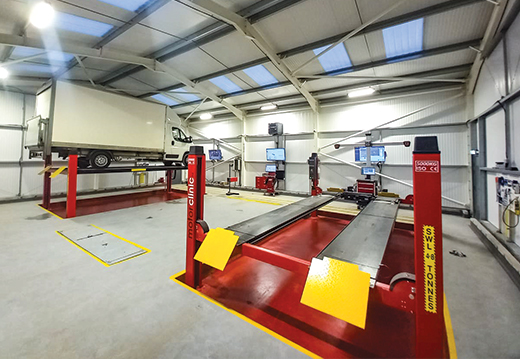
Providing MOT tests might be one of the few avenues through which you can advise customers on their vehicle's health, capturing the repair before it has a huge impact on them. The revenue generated from MOT tests, along with the additional work addressing test advisories and critical and prevention repairs, makes having a test bay an undeniable advantage. This is particularly crucial considering the anticipated decline in general servicing work due to ongoing customer concerns about costs, due to the increase in the cost of living.
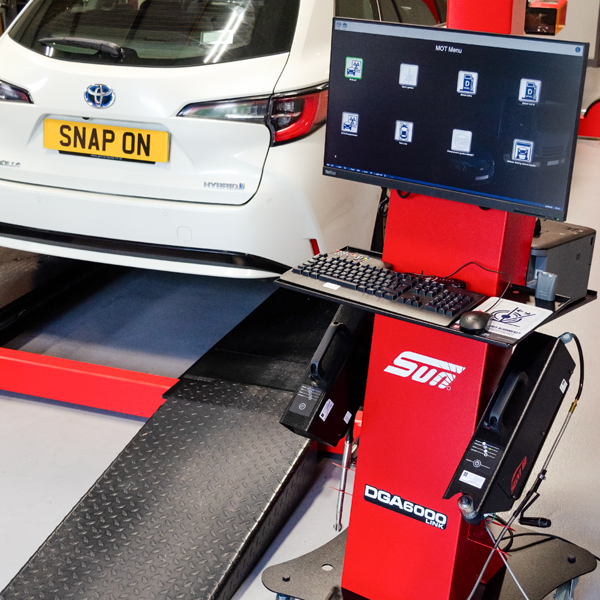
What you need to know!
To comply with DVSA regulations, any Vehicle Testing Station (VTS) that is newly opening, has changed ownership or recommenced MOT testing after inactivity or that is replacing emissions testing equipment, must upgrade to connected status. Garages must comply with this requirement to stay in line with regulatory standards and maintain authorisation for MOT testing.
What is connected equipment?
Connected MOT equipment can communicate directly with the DVSA’s system with a single press of a button which helps eliminate data entry errors. Please note: This rule does not apply to any current equipment you have unless you replace it. All equipment must be kept in good working order and calibrated regularly by a qualified UKAS technician.
The primary objective of connected MOT equipment is to improve testing efficiency, save time, increase accuracy, and reduce manual data entry by MOT testers. By directly retrieving vehicle information from the DVSA database and automatically transmitting test results back. Connected equipment eliminates the need for manual data entry, minimising the risk of human error. This not only saves time but also improves accuracy, ensuring a better standard of MOT tests.
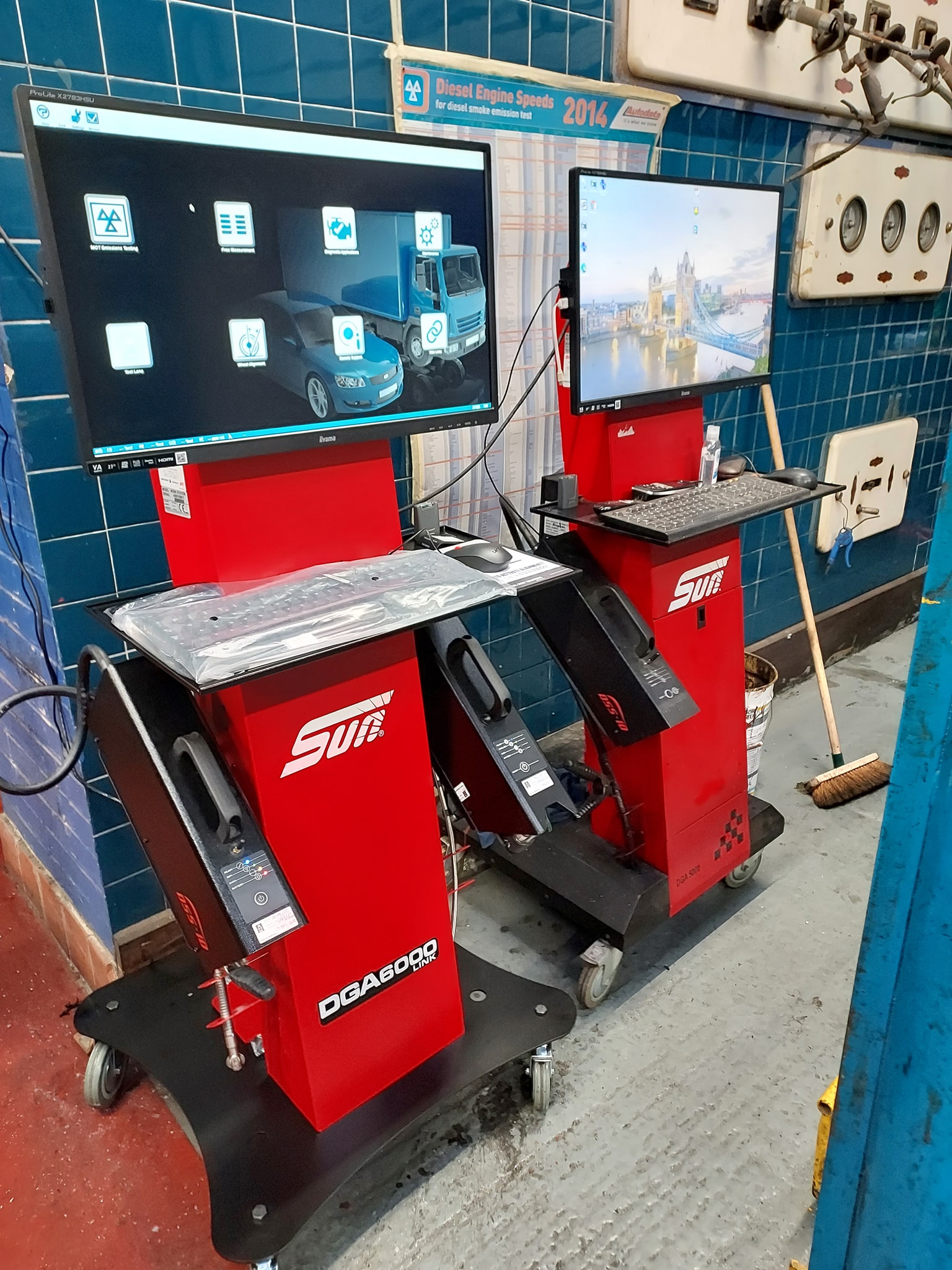
The Importance of Connected Emissions Testing Equipment
Emissions testing has become an essential part of vehicle inspections and maintenance. Governments worldwide are tightening emissions regulations to combat air pollution and reduce the environmental impact from vehicles. As a result, stricter emissions standards are being enforced, and vehicles that don't meet these standards may face restrictions or fines. We’ve seen Particulate Number (PN) testing come into effect in Belgium, the Netherlands and Germany already and there are some small-scale trials currently taking place in the UK.
For independent garages, having the latest emissions equipment will enable you to keep pace with the latest changes in legislation and give you the ability to upgrade to test to the latest regulations with ease, future-proofing your business.
Why Make the Switch to Connected Equipment?
Upgrading old equipment to a connected MOT system like an automated or one-person test lane offers significant productivity enhancements, cost savings, and revenue-boosting benefits. Integration with the MOT Testing System saves time, eliminates input errors, and eliminates the need for physical result printouts. Just think about the number of MOT tests you do in a day, saving time and money on each will pay big over a year, after all, TIME IS MONEY!
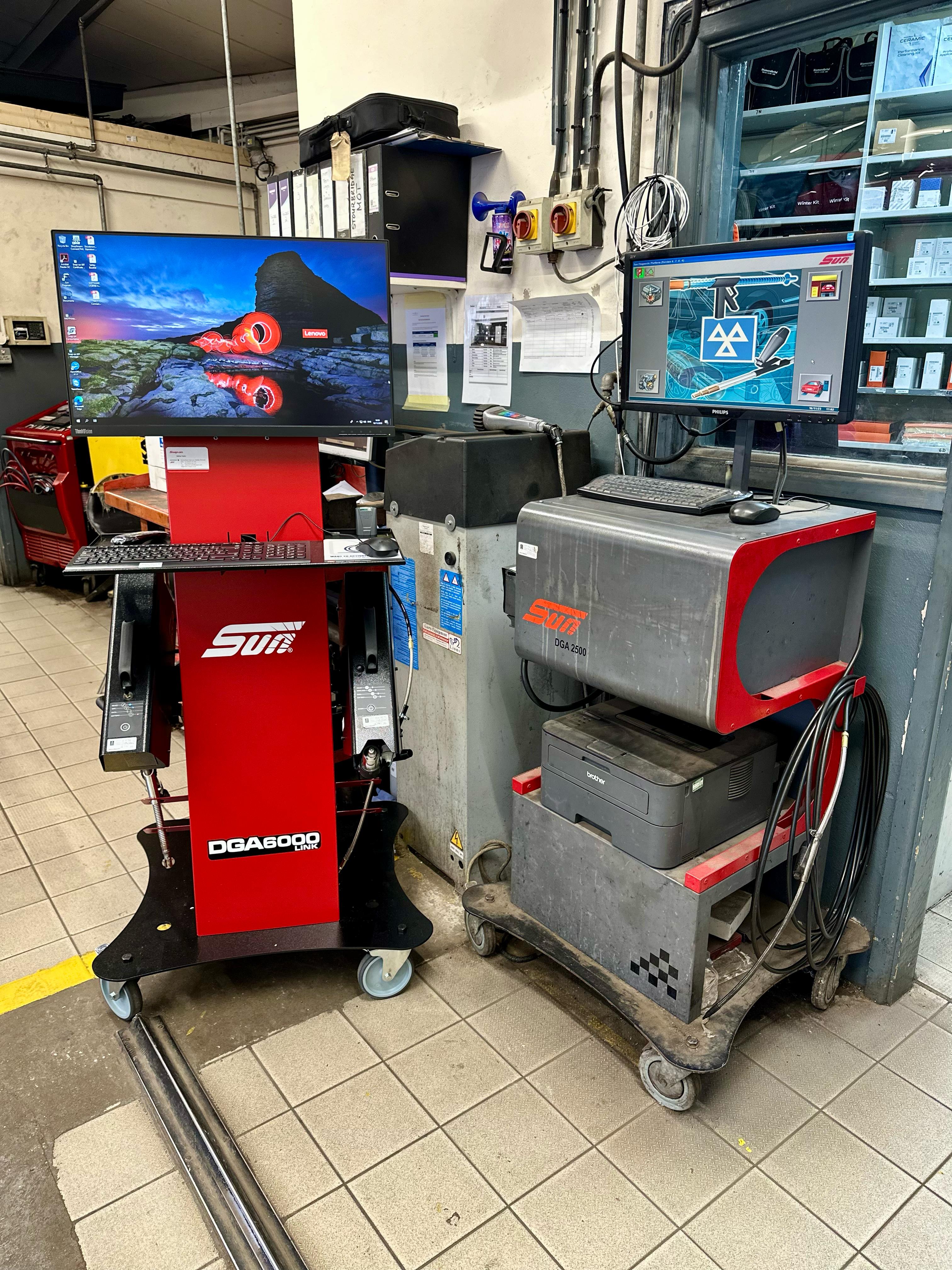
The Advantages of SUN® Connected Emissions Equipment
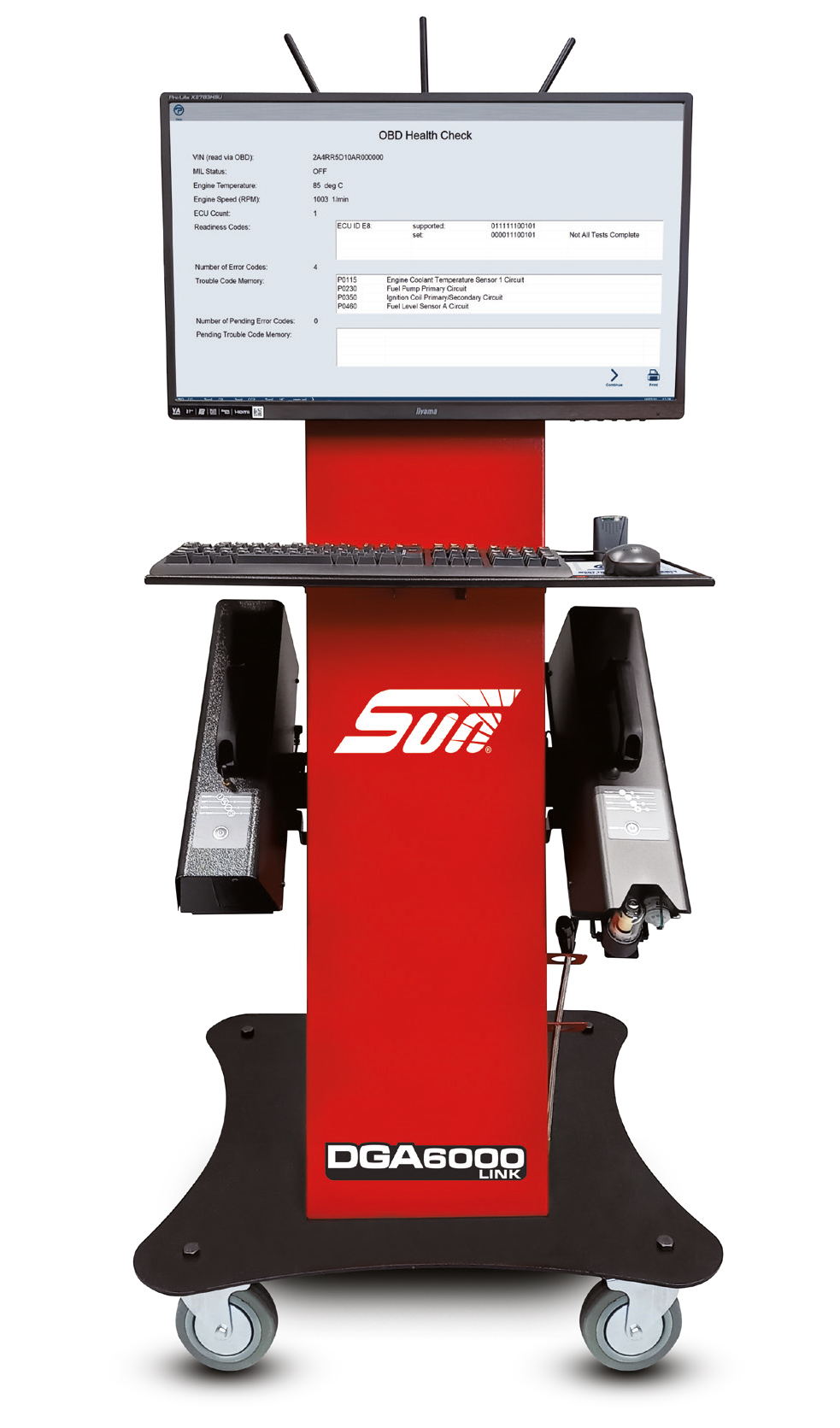
The SUN® DGA6000 LINK has been engineered from start to finish to make your MOT testing process fast and reliable. The system seamlessly integrates your MOT testing equipment with the DVSA’s MOT Testing System (MTS) to reduce errors and make the entire process more efficient. Intuitive software guides technicians through the entire testing process, saving valuable time in training, setup and ongoing workload, every day.
Key Features:
Connected: Use as your DVSA MOT Testing System (MTS) device. Meets the latest regulations for connected MOT Testing to provide fast and accurate results
Wireless petrol and diesel modules: The battery-powered petrol and diesel modules are wireless, eliminating the hassle of unwinding and coiling a long hose before and after each test. They are always heated and ready for measurement, improving the testing process
Ease of use: The software interface guides technicians through testing procedures, plus the EOBD dongle makes oil and RPM measurements simple
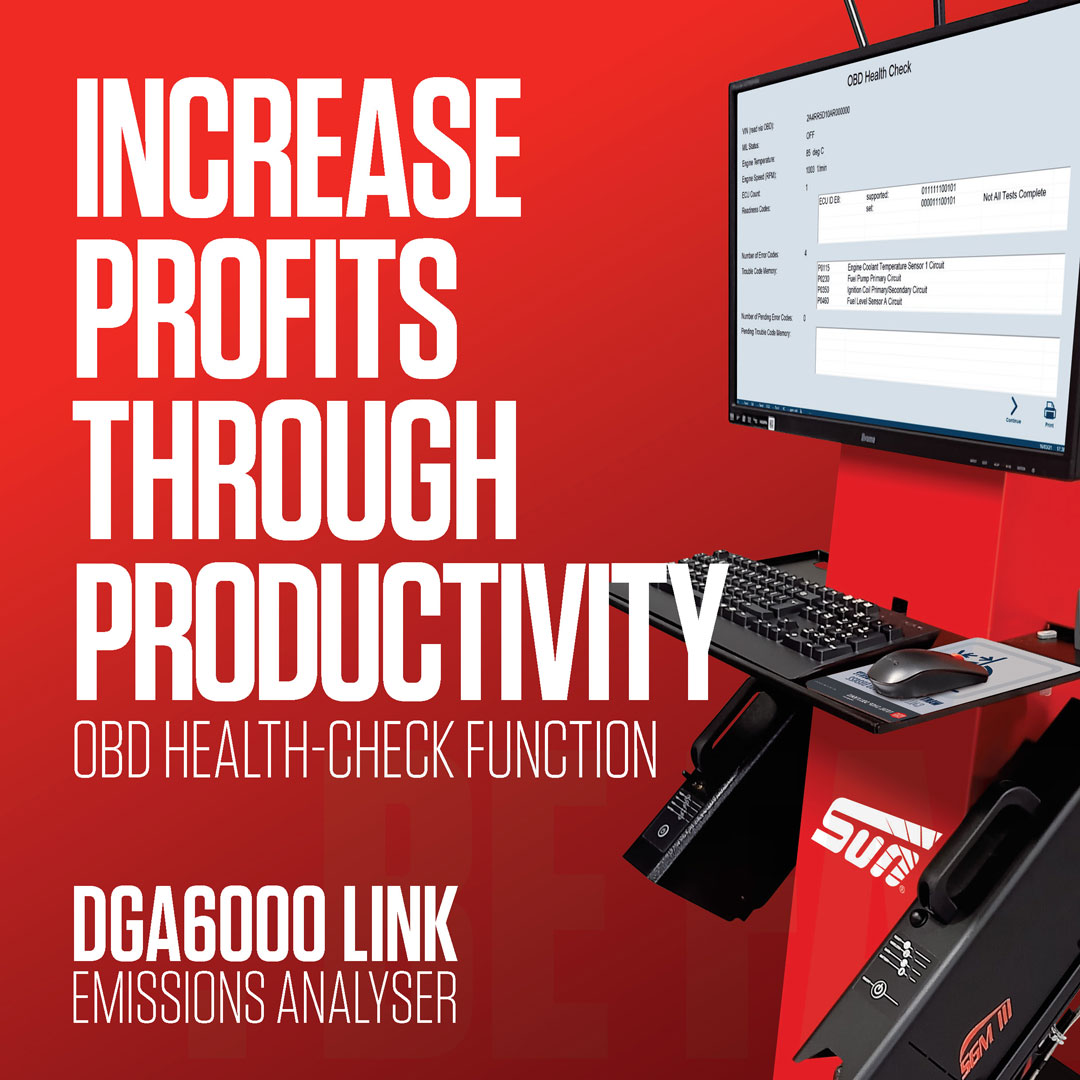
OBD Health-check: This automatically identifies emissions-related pending and fault codes during testing. Use this feature to recommend repairs to your customers before they become a problem
How the OBD Health-Check function can help you to increase revenue
Independent garages are continually seeking ways to enhance their productivity and increase revenue. One valuable tool that can significantly assist technicians in achieving these goals is the On-Board Diagnostic (OBD) health-check function on the SUN® DGA6000 LINK.
This advanced emissions diagnostic system conducts a comprehensive assessment of a vehicle's emissions system automatically during the emissions testing process.
The system retrieves information from the vehicle's ECU including fault codes, pending codes and MIL status related to the vehicle’s emissions system. This data can then be reviewed to identify potential problems, monitor system performance, and assess the overall health of the emissions system.
The system will flag fault codes and pending codes automatically during the emissions testing process and summarise all the data in an OBD health check report at the end of the emissions testing procedure. This report can be printed out and presented to the customer or sent as a PDF via email to present the findings of the OBD health check, providing advice and corrective maintenance of the identified faults.
Integrate with other Garage Equipment from Snap-on®
The SUN® DGA6000 LINK is a fully upgradable system that seamlessly connects to the DVSA’s MOT Testing System and integrates with SUN Brake Testers, streamlining your MOT processes.
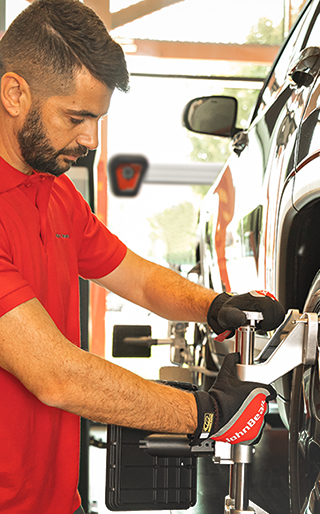
Additionally, it integrates with John Bean® Wheel Alignment Systems, enabling you to expand beyond emissions testing and incorporate profitable wheel alignment functionality at an affordable price.
For more information on how incorporating wheel alignment can really impact your bottom line, click the link below.
DVSA GUIDANCE
The latest DVSA regulations state that equipment that is in need of replacement or as part of a new MOT testing bay installation is required to be “connected”. Sun® Class IV and Class VII ATL/MOT brake testers are approved for connected MOT testing.
"Connected" MOT equipment is able to communicate directly with the DVSA’s system with a single press of a button which helps to eliminate any data entry errors. Please note: This rule does not apply to any current equipment you have unless you need to replace it. All equipment must be kept in good working order and calibrated properly by a qualified UKAS technician.
Upgrade your Brake tester to one that meets the latest DVSA regulations for connected MOT testing
As an independent garage, ensuring that your customers' vehicles are safe to drive is of utmost importance. One crucial aspect of vehicle safety is the condition of the brakes. That's why having a reliable and accurate brake tester is a must for any garage.
Traditionally, brake testing has been done through manual methods, such as rolling road brake testers or decelerometers. However, with the advancements in technology, a connected brake tester has become the preferred method for many independent garages. A connected brake tester is a piece of equipment that links a roller brake tester to a computer system, allowing for more accurate and efficient testing of a vehicle's braking system.
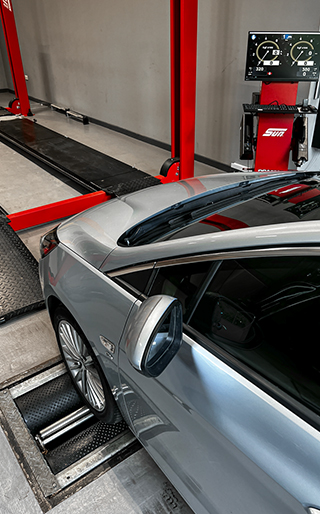
SUN Roller Brake Testers are approved for DVSA “connected” requirements: Connected MOT equipment is able to communicate directly to the DVSA’s MTS system with a single button press and reduce or eliminate any data entry errors. With the wireless connectivity option between the roller chassis control box and the PC you have the flexibility to place your PC/display in the most convenient place in the workshop for testing.
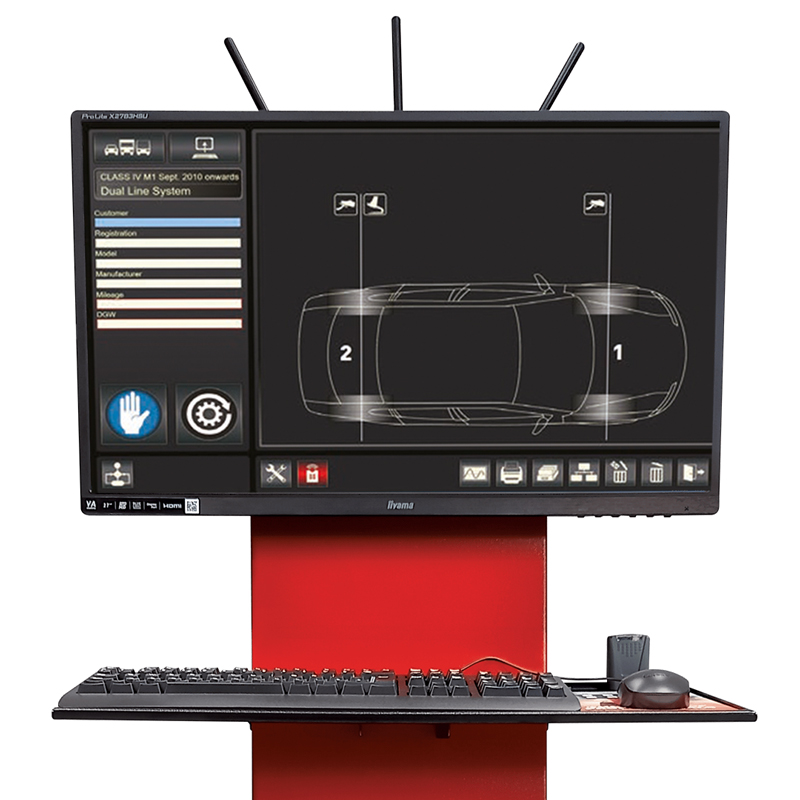
SUN® Connected Roller Brake Tester
SUN® connected roller brake testers are engineered to improve the efficiency and accuracy of brake testing procedures and meet the demands of a busy testing station. Engineered to meet the latest DVSA regulations for connected MOT testing, providing quick and accurate results, improving efficiency, eliminating data entry errors, and saving technicians valuable time.
Key Features:
Connected: Approved for DVSA “connected” requirements: Connected MOT equipment is able to communicate directly with the DVSA’s MOT Testing System (MTS) to improve testing accuracy and efficiency
Built to last: The chassis is engineered from fully galvanised steel for durability and includes roller covers as standard. The roller brake surface includes a 10-year warranty, giving you long-term peace of mind
Versatility: Available in two roller configurations: 700mm rollers that have a drive over capacity of up to 4000 kg and can be used for MOT Class I, II, III and IV, or 1000mm rollers that have a drive capacity of up to 6000 kg and can be used for MOT class, I, II, III, IV, VL and VII (class I and II require optional adaptor plate)
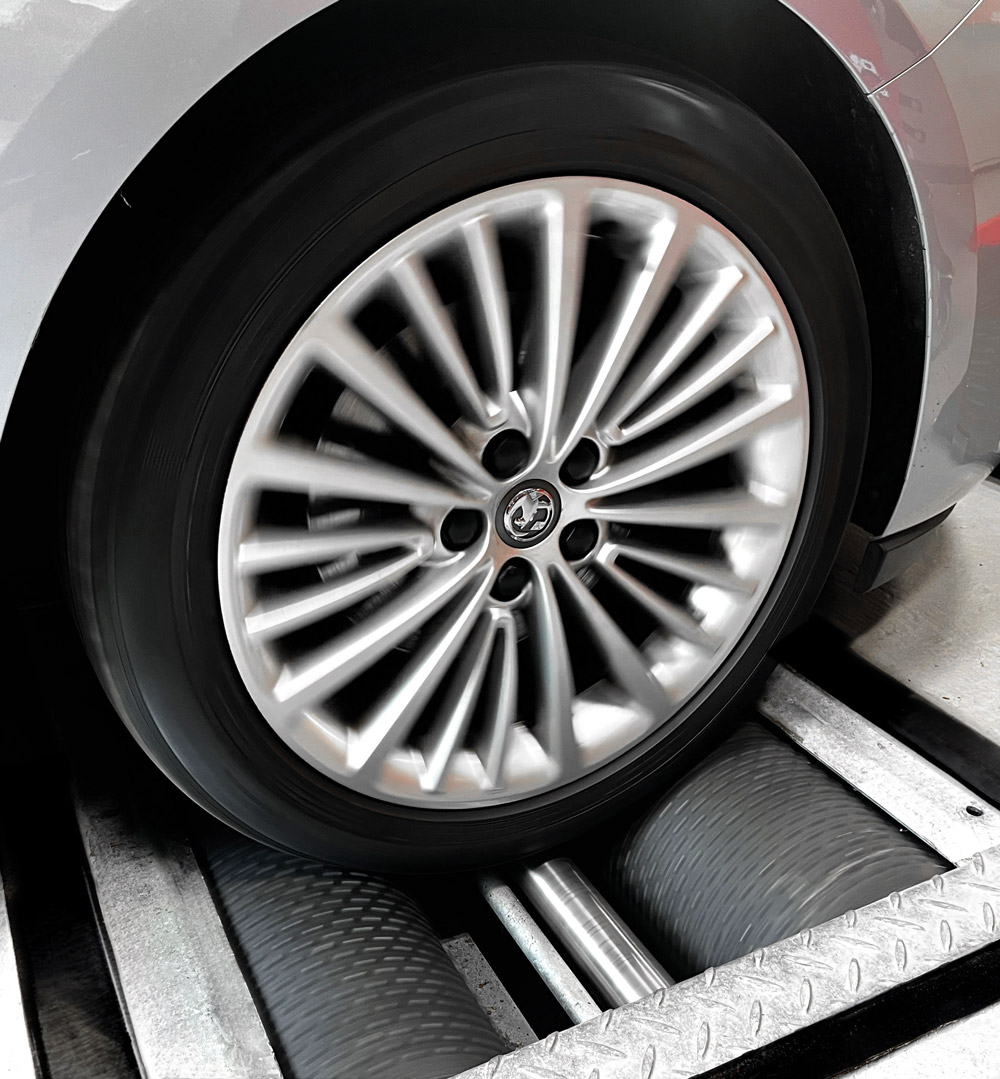
Accurate results: The dimpled roller surface is designed to offer protection to tyres while giving a feel similar to the road surface, allowing for accurate and repeatable results wet or dry

*Snap-on Finance available - Qualifying customers only - terms and conditions apply. Full written details on request. Price, availability and specifications may change without notice. Errors and omissions excepted. Trademarks are the property of their respective registered proprietors. Authorised and regulated by the Financial Conduct Authority. Contact your Snap-on representative for more information.
Discover the Snap-on® Difference
We understand that investing in new garage equipment is a significant decision, and we're committed to supporting you throughout the process.
With Expert Guidance, Tailored Solutions, Seamless Transition, Customer Satisfaction, and Investment Protection, you'll have access to unmatched expertise in the automotive industry. Our team provides personalised solutions and comprehensive support to ensure your satisfaction, and we offer service contracts for added peace of mind. Discover the difference Snap-on can make and take your garage to greater success.

Stay Connected!
Join our mailing list to get occasional VIP offers, quick tips, advice and technical information, to help you get the most out of your garage equipment and help your business become even more successful!

©2024 Snap-on Incorporated. All rights reserved.